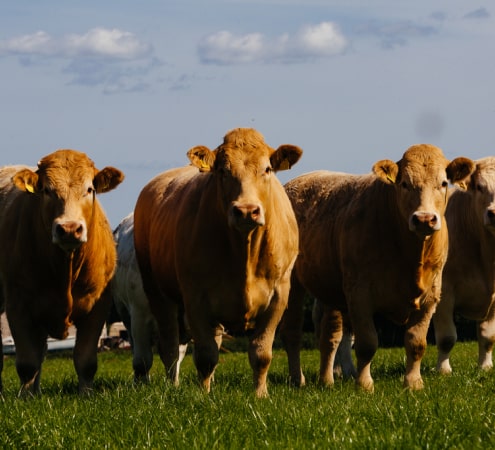
Ireland’s temperate climate, rich pastures, and centuries-old farming traditions have created an ideal environment for raising lamb that is both high-quality and environmentally responsible. Modern Irish lamb producers blend time-tested practices with innovative technologies, delivering a product that meets consumer demand for ethical meat while preserving soil health, biodiversity, and carbon balance. This article examines the core elements that make Irish lamb farming a benchmark for sustainability and outlines how these practices can inform broader agricultural strategies.
Why Irish Lamb Farming Stands Out
The success of Irish lamb production is rooted in a holistic approach that balances animal welfare, land stewardship, and economic viability. Several factors contribute to its reputation:
- Climate advantage: Mild temperatures and abundant rainfall support year-round grazing, reducing the need for supplemental feed and associated resource inputs.
- Genetic excellence: Indigenous breeds such as the Irish Blackface are naturally adapted to rugged terrain and exhibit efficient feed conversion.
- Regulatory framework: Strict environmental standards and traceability systems ensure compliance with EU sustainability criteria.
- Research collaboration: Partnerships with agricultural institutes drive continuous improvement and knowledge sharing.
For a deeper dive into the strategic foundations of Irish lamb sustainability, Discover expert strategies here.
Key Sustainable Practices
1. Adaptive Grazing Management
Rotational grazing is central to maintaining pasture vitality. By moving flocks across carefully planned paddocks, farmers:
- Prevent overgrazing and encourage root development.
- Enhance carbon sequestration in soil organic matter.
- Reduce the need for artificial fertilizers.
Detailed guidelines on implementing rotational systems are available at Explore advanced guides and tips.
2. Genetic Selection for Resilience
Selecting breeds that thrive on marginal lands minimizes external inputs. Irish lamb producers prioritize:
- Robust health traits that lower veterinary interventions.
- Efficient feed conversion ratios, translating to lower methane emissions per kilogram of meat.
- Adaptability to variable weather patterns, ensuring consistent production.
Further information on breed optimization can be found by Learn about our tailored solutions.
3. Integrated Nutrient Management
Manure is treated as a resource rather than waste. Best practices include:
- Composting to stabilize nutrients before field application.
- Precision spreading based on soil testing to avoid excess nitrogen runoff.
- Utilizing manure for biogas production where feasible, creating renewable energy on-farm.
To understand how nutrient cycles are closed in Irish farms, Find out more about this approach.
4. Water Stewardship
Protecting water quality is achieved through buffer strips, controlled stocking densities, and regular monitoring of water sources. These measures safeguard both the environment and the health of the flock.
Economic and Social Benefits
Sustainable lamb farming in Ireland is not solely an environmental story; it also delivers tangible economic and community advantages:
- Market premium: Eco-certified lamb commands higher prices in domestic and export markets.
- Rural employment: Diverse farm activities, from breeding to processing, create stable jobs.
- Knowledge transfer: Extension services and farmer networks disseminate best practices, fostering a culture of continuous improvement.
Insights into the socioeconomic impact of sustainable livestock can be explored through Discover expert strategies here.
Future Outlook and Replicability
The Irish model demonstrates that profitability and planet-friendly farming are not mutually exclusive. Emerging trends poised to amplify this success include:
- Digital farm management tools: Real-time data on pasture growth, animal health, and carbon footprints enable precise decision-making.
- Carbon credit schemes: Farmers can monetize the sequestration benefits of well-managed grasslands.
- Consumer education: Transparent labeling helps shoppers make informed choices, driving demand for sustainably produced lamb.
For a comprehensive overview of how technology and policy are shaping the next generation of sustainable livestock, Explore advanced guides and tips.
Conclusion
Irish lamb farming illustrates that a synergy of climate, genetics, and forward-thinking management can create a resilient, low-impact meat production system. By embracing adaptive grazing, genetic efficiency, nutrient recycling, and robust water stewardship, Irish producers set a benchmark that can be adapted worldwide. Continued investment in research, digital innovation, and market incentives will ensure that this model remains dynamic, offering a realistic pathway toward a more sustainable global food system.
